
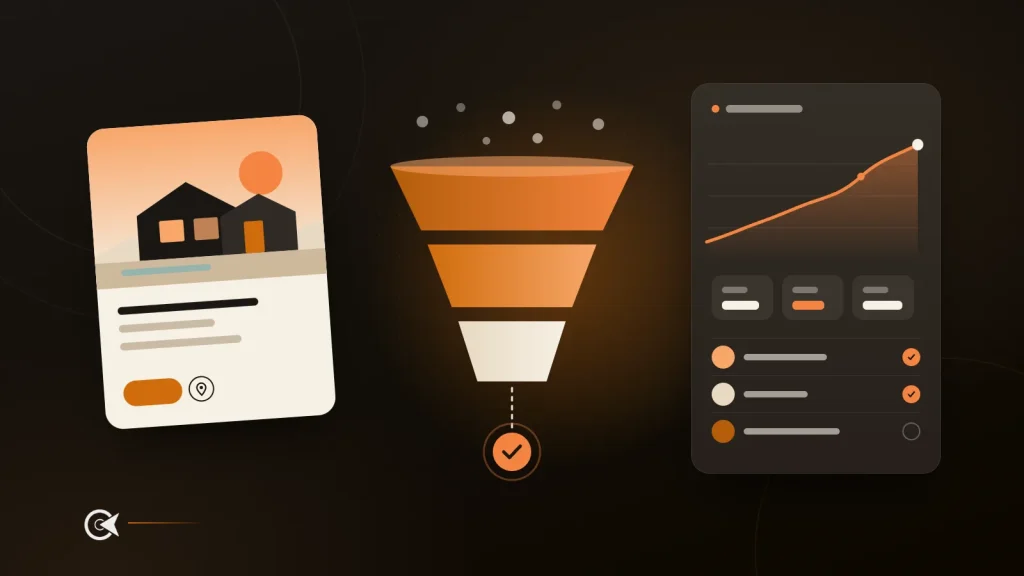
Real estate in Dubai is one of the most competitive categories to advertise. Every developer, brokerage and agent is chasing the same buyers on the same platforms. The teams that win steady, good-quality enquiries are rarely the ones with the flashiest ads; they are the ones with a clear process from the advertising permit to the first call back. This playbook sets out that process step by step.
Step 1: Get the advertising permit first
In Dubai, real estate advertisements need a permit issued through the Dubai Land Department’s Trakheesi system before they are published, and the permit number must appear in the ad. This applies to social media as well as other channels. Rules and procedures can change, so confirm the current requirements with the Dubai Land Department or RERA before each campaign, and keep permit numbers ready when you brief your agency.
Building this into your launch timeline avoids the most frustrating delay of all: a finished campaign waiting for approval.
Step 2: Define who you are trying to reach
“Property buyers” is too broad to advertise to. Write down, for each project or listing:
- End-user or investor? They ask different questions: one cares about schools, space and commute; the other about rental demand, handover and payment plan.
- Off-plan or ready? Off-plan buyers need trust in the developer and a clear payment plan; ready-unit buyers want to see the actual unit.
- Language and location: which languages your buyers prefer, and whether you are targeting UAE residents, overseas buyers or both.
- Budget and timeline: the realistic range you can serve, which you will use later to qualify enquiries.
Step 3: Show the project properly
Property is bought with the eyes first. Strong content is often the biggest single difference between campaigns:
- Professional photography and video of the project, show units, amenities and surroundings. Be clear about what is a real photo and what is a render.
- Vertical video for Reels, TikTok and Stories, with a presenter walking through the unit or explaining the payment plan in simple terms.
- Square and horizontal versions for feeds, YouTube and the landing page.
- The essentials on screen: location, unit types, starting price where permitted, payment plan and handover, plus the permit details required by the authority.
You can see examples of this kind of content in our real estate video work, and how we approach shoots on our real estate photography page.
Step 4: Build a landing page for each project
Sending property ads to a generic listings page wastes good traffic. A dedicated page per project, in Arabic and English, should include:
- the headline offer that matches the ad;
- photos, a short video and floor plans;
- location and nearby landmarks;
- the payment plan explained in plain language;
- a short form (name, phone, and one or two qualifying questions), a call button and WhatsApp.
Keep the form short. Every extra field reduces enquiries; ask only what you need to call back and qualify the buyer.
Step 5: Choose channels for each stage
- Meta (Instagram and Facebook) works well for launches and new projects, because it reaches people before they start searching. It also lets you re-engage people who watched your videos or visited the project page.
- Google Search captures people already searching for a project name, a developer or an area, who are often further along in their decision.
- TikTok and Snapchat can add reach, especially with presenter-led vertical video.
Run Arabic and English versions separately and compare results; do not assume which audience will respond better. Our comparison of Meta Ads vs Google Ads covers this in more detail.
Step 6: Handle every enquiry fast and the same way
This is where most real estate campaigns quietly fail. Good leads go cold when nobody calls back for a day. Agree a simple process with your sales team:
- Every new enquiry reaches the right agent immediately, with the project and campaign it came from.
- The agent contacts the buyer as soon as possible, by call or WhatsApp, in the buyer’s language.
- The agent asks the same short qualifying questions: purpose (live or invest), budget range, timeline, preferred unit type.
- Each lead is recorded in a CRM or a shared sheet with its status: not reached, qualified, not qualified, viewing booked, deal.
- Unreached leads get a follow-up plan, for example a second call and a WhatsApp message with the brochure.
Only contact people in line with their consent. The UAE’s data protection law requires a clear basis such as consent for marketing, and people must be able to opt out.
Step 7: Measure the full journey
Cost per lead alone is misleading in real estate, because cheap leads that never answer the phone are not cheap. Track, per campaign and per language:
- leads received;
- leads reached and qualified;
- viewings or meetings booked;
- reservations and sales.
Review these weekly with the sales team, then move budget towards the campaigns and audiences that produce viewings and deals, not just form fills.
Common mistakes to avoid
- Launching ads before the advertising permit is in place.
- One generic landing page for every project.
- Translating ads word for word instead of writing for each audience.
- Long forms that scare buyers away.
- Slow or inconsistent follow-up, then judging the campaign on lead quality.
Work with one team from shoot to enquiry
Click Target works with developers, brokerages and agents in Dubai on real estate marketing: project shoots, video ads, campaigns and landing pages, from the first shoot to the buyer’s enquiry. Book a consultation to plan your next launch. New to digital marketing in the UAE? Start with our practical guide.